What is your minimum order quantity?
Our minimum order quantity is 1,000 pieces per part for large parts (maximum dimension over 200 mm) and 5,000 pieces per part for small and medium parts (maximum dimension up to 200 mm).
Is there a tooling fee and who owns the tooling?
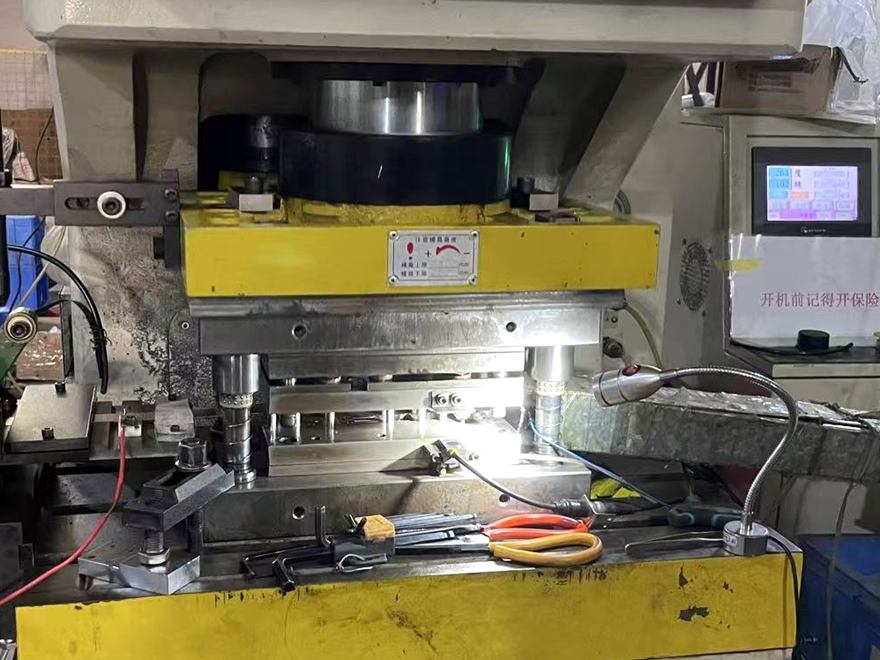
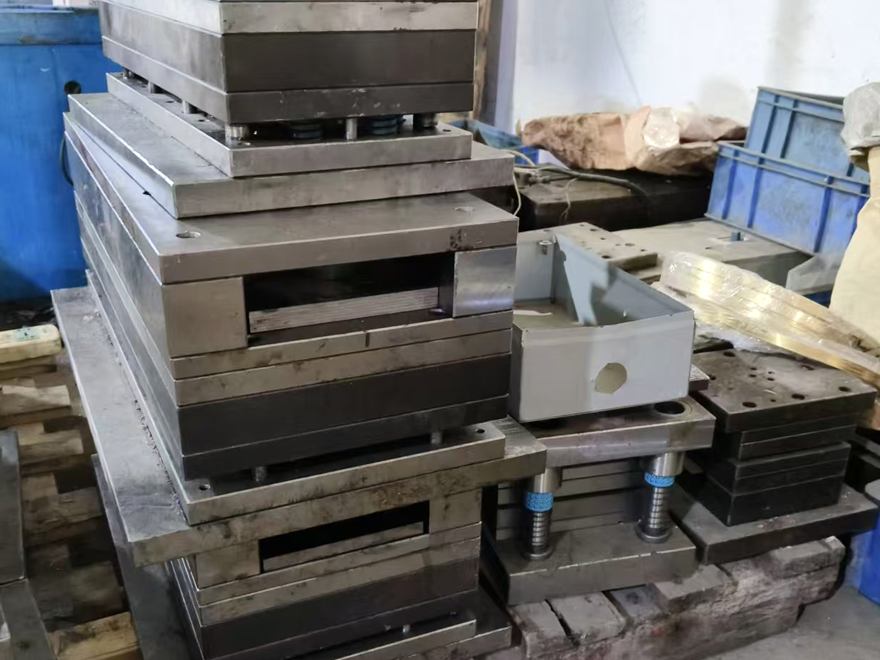
Standard parts using our 200+ in-house stock tooling sets have no tooling fee. If your part needs new tooling, we quote the custom tooling cost from your drawing. Upon full payment of the custom tooling fee, the part-specific custom tooling inserts belong to you and are used exclusively for your orders, while Jingding retains ownership of its universal master die frames and pre-existing stock tooling.
What tolerance do you hold on stamped sensor brackets?
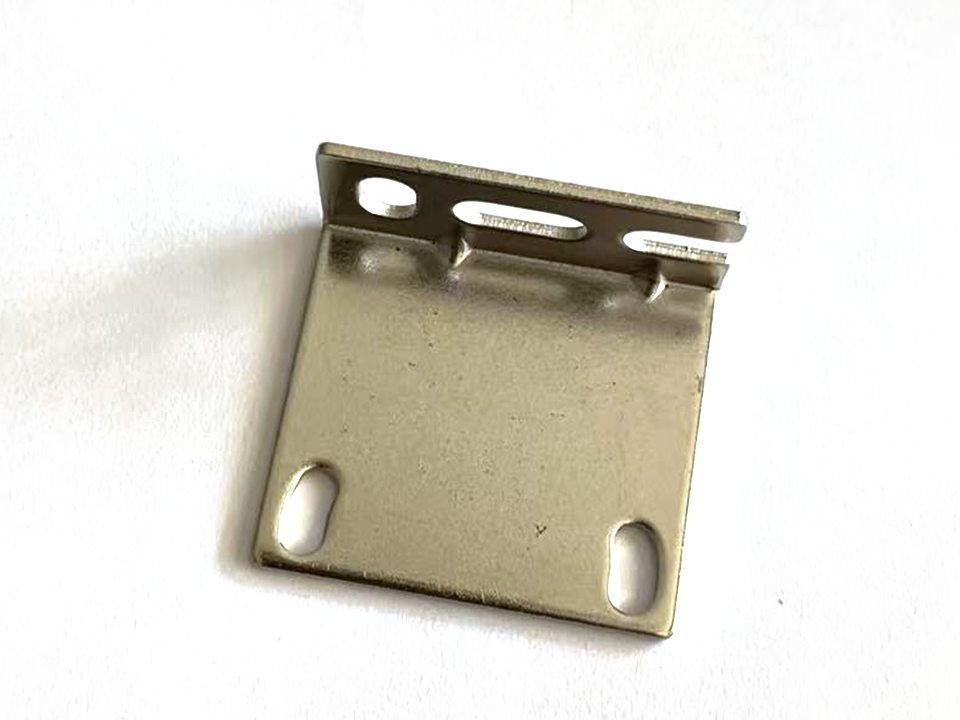
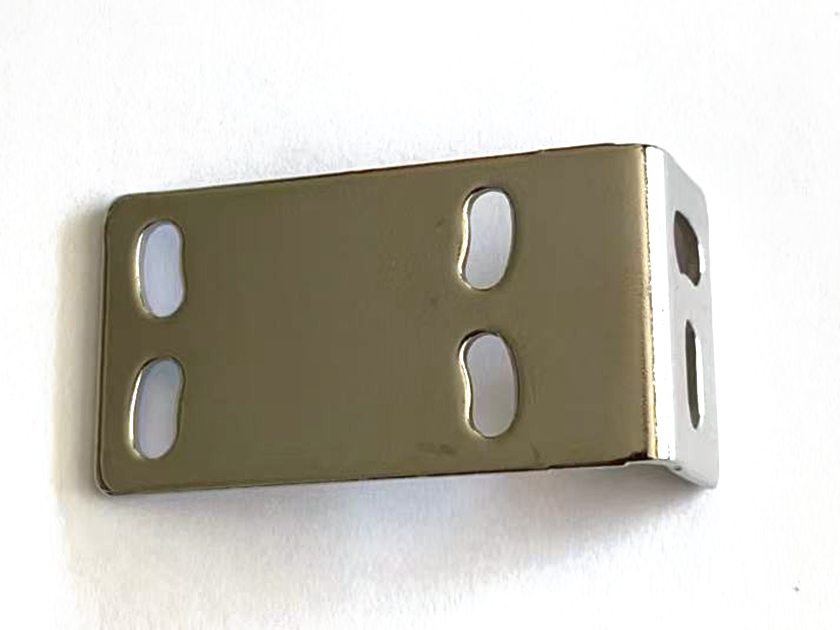
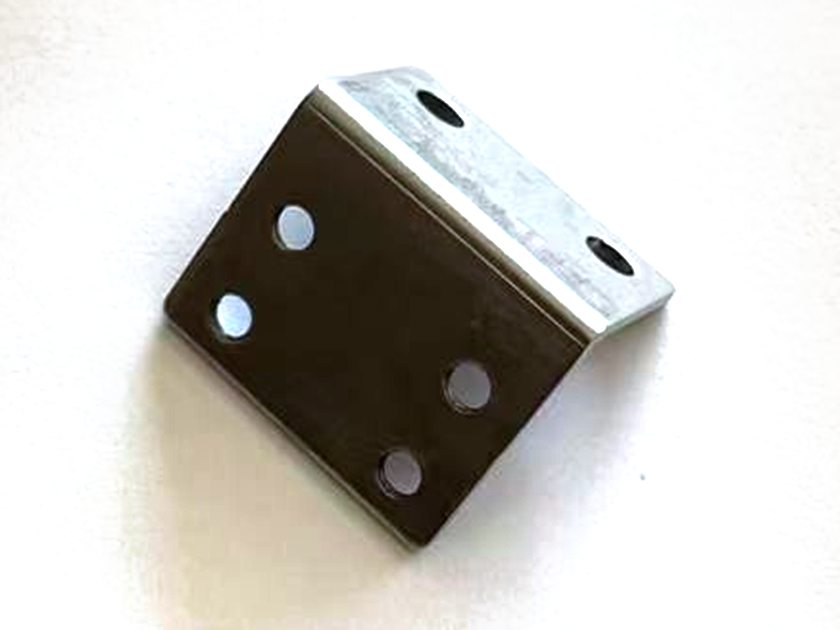
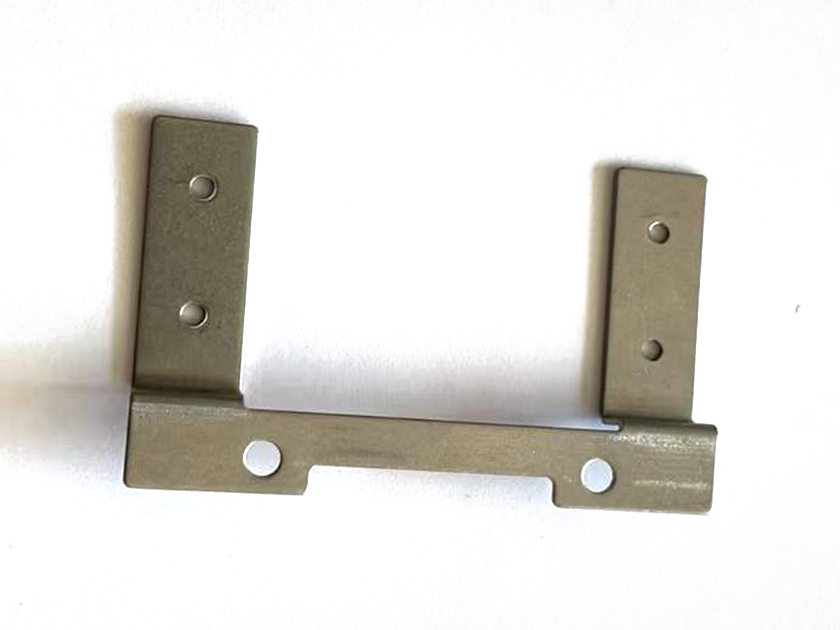
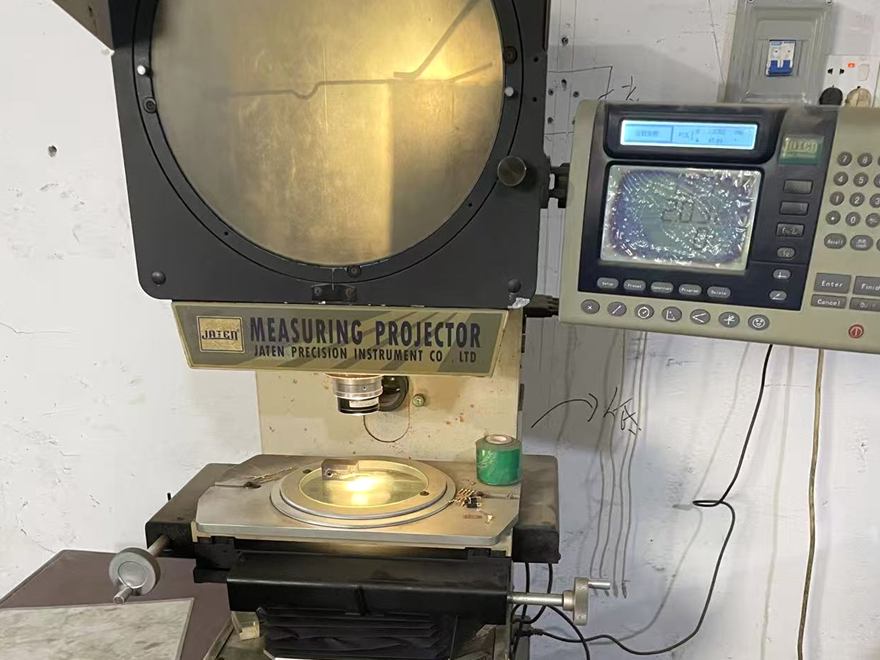
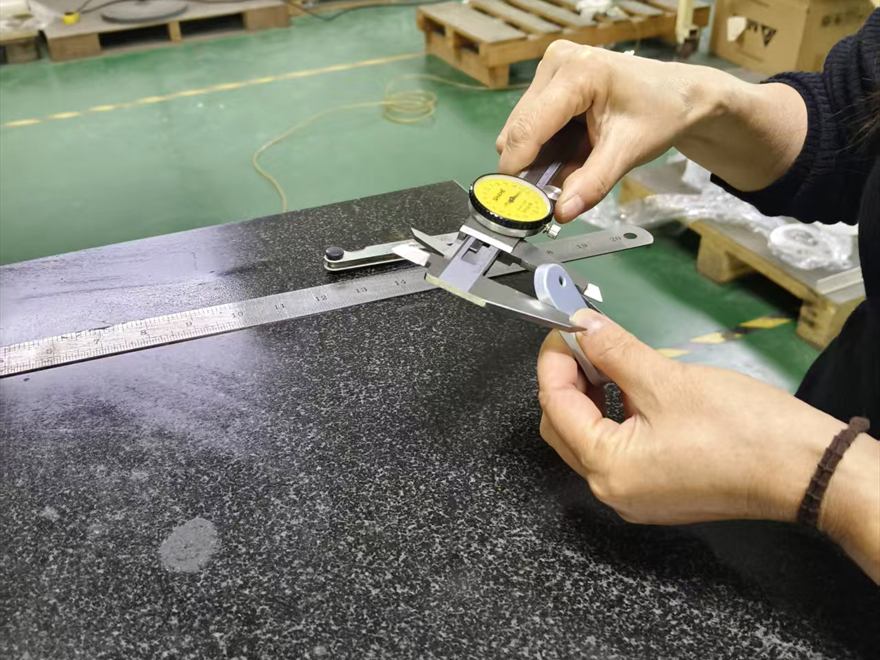
We hold ±0.1 mm on stamped and bent sensor brackets, sensor flags and sensor mounting plates, so sensor holes and mounting holes line up with your machine. Our dedicated full-time QC inspector verifies contours and dimensions using an optical profile projector, granite surface plate, calipers, micrometers and feeler gauges.
How is lead time quoted?
Typical batch custom lead times are 7–10 working days for custom tooling and 5 working days for batch production after sample confirmation, confirmed from your drawing. Lead times are ex-factory, China; international shipping time is extra.
Should I choose 304 stainless steel or plated cold-rolled steel for a sensor bracket?
Most of the sensor brackets we make are polished 304 stainless steel, which resists rust without a coating. Plated cold-rolled steel (for example white zinc) is often used for sensor mounting plates on linear modules and for machines in dry, indoor conditions. Tell us where the sensor is mounted and we will advise.
Do you make proximity sensor flags (target plates) to my drawing?
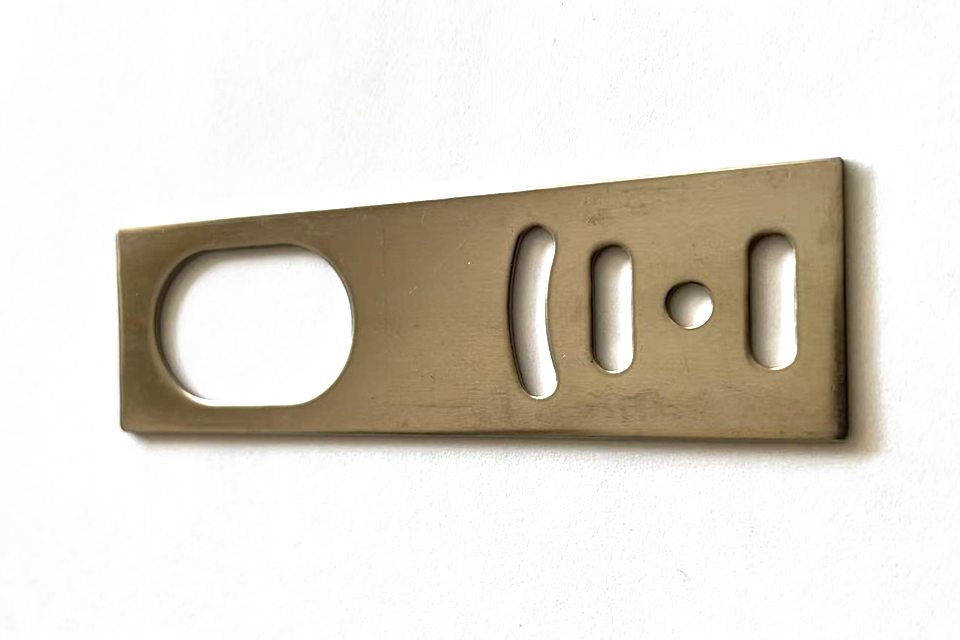
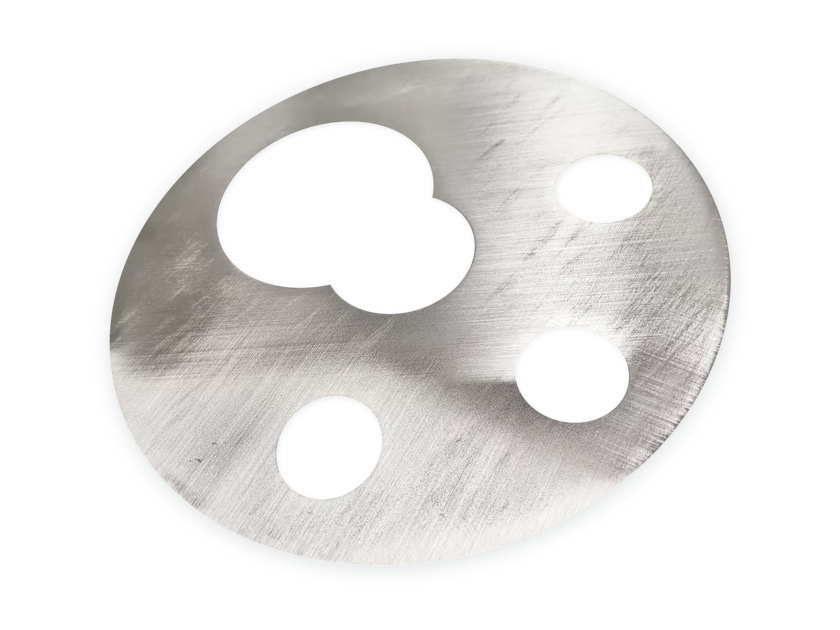
Yes. We make mirror-polished 304 stainless sensor flags (target plates) that trigger home and limit sensors on ball-screw and belt linear modules, flat or bent, 0.8–1.5 mm thick, together with the sensor mounting plates. Send your drawing or the module model.
Can you make a bracket for my sensor?
Yes. We make brackets for all standard sensor sizes, including M8, M12, M18 and M30. Send the sensor model number, thread size, datasheet or a drawing of your mounting position. We design the bracket, build any tooling in-house and send a sample for approval.
Which materials and finishes do you offer?
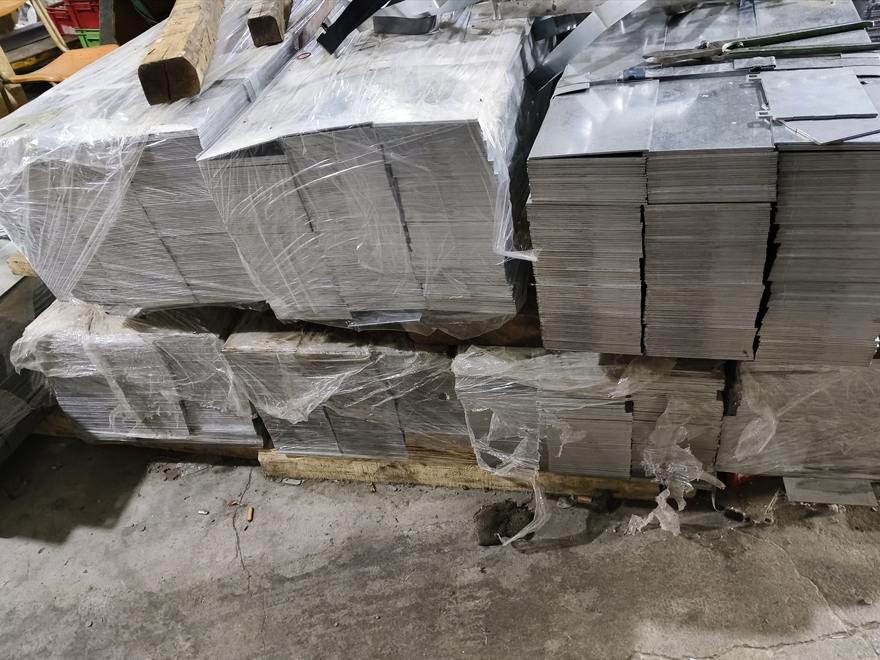
We mainly work with cold-rolled steel sheet and 304 stainless steel sheet from 0.3 mm to 3 mm. Most sensor brackets are made from polished 304 stainless steel. Surface treatments, including plating, oxidation and other finishes, are handled by compliant partner plants, with salt spray test reports available upon request.
How do you control quality and prevent transit damage?
We run dedicated incoming quality control (IQC) for raw materials and outsourced processes, backed by a dedicated full-time QC inspector with an optical profile projector, granite surface plate, calipers, micrometers and feeler gauges. Finished parts go through final inspection, protective packaging and dedicated warehouse staging before shipment.
Can you make rigid sensor brackets that won't flex or loosen under machine vibration?
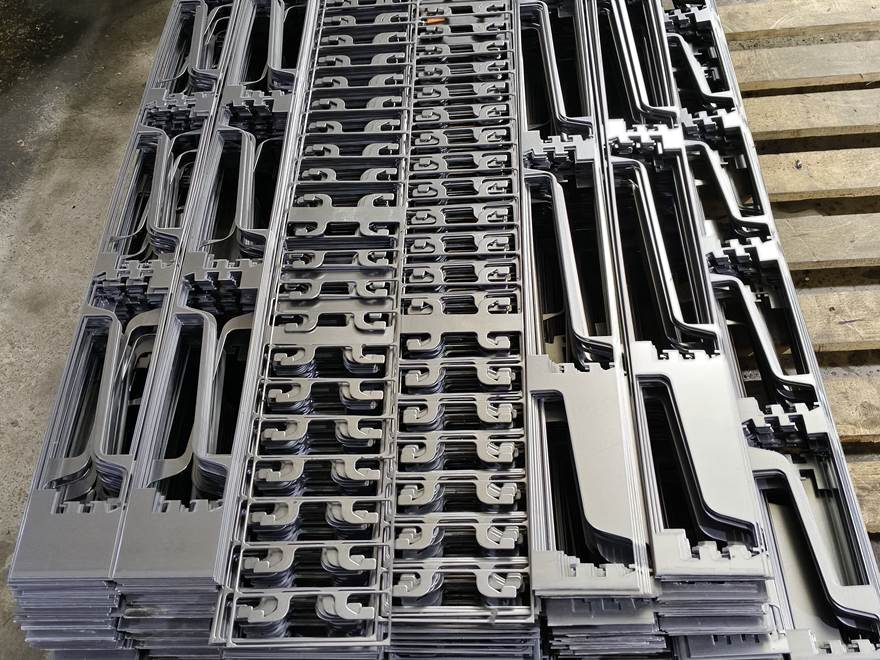
Yes. Thin generic brackets often vibrate or drift out of sensing range. We stamp brackets up to 3 mm thick in 304 stainless steel or cold-rolled steel, and can add stamped bend ribs at 90° bends plus fixed round locating holes to help keep alignment steady on vibrating machinery.
Can you design brackets for non-flush (unshielded) proximity sensors that need a metal-free zone?
Yes. Non-flush inductive sensors can false-trigger if bracket metal sits inside their side sensing zone. Send your sensor model or datasheet and we will design the cutout — such as an open-end U-slot, Z-step offset, or relieved flange — to preserve the clearance your sensor requires within ±0.1 mm contour tolerance.
How do your slotted brackets balance easy alignment adjustment with repeatable positioning?
We stamp linear mounting slots, arc angle-adjustment slots, and open-end U-slots so technicians can dial in sensing distance or slide sensors in and out without removing bolts. If your application needs positive repeatability after maintenance, we can add fixed round locating holes or tapped holes (such as M3) to your drawing.
Can you replace hard-to-find OEM sensor brackets and prevent sharp edges from damaging sensor cables?
Yes. Stamped brackets are finished with deburred, burr-free edges to help protect sensor cables and installers, with rounded corners available per drawing. Send the sensor model number, drawing or mounting position photo — we check our 200+ stock tooling sets first or build custom tooling in-house (typically 7–10 working days, confirmed from your drawing; MOQ 1,000 pcs for >200 mm or 5,000 pcs for ≤200 mm).
What do I need to send for a quote?
The application (where the sensor is mounted), the sensor model or thread size, the quantity or annual volume, the material you prefer, and a drawing or photo if you have one. We accept drawings as PDF, DWG, DXF or STEP files, and photos or images (for example JPG or PNG).